
Transplanting
– Replanting,
Ideas, Tips & Tricks!

Some helpful advice to help you transplant your seedlings and plants.
Some people recommend that we soak the dirt where the seedlings/plants are in the ground to make it easier to remove them.
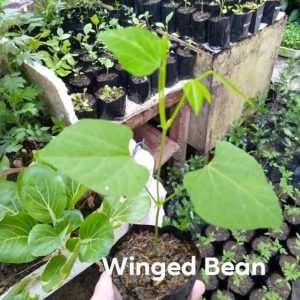
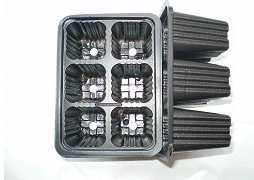
• Please be careful when removing seedlings from “punnets”/pots and so forth, the roots can become compact, “root-bound” or sometimes called “pot-bound” where the roots have outgrown their small container and having nowhere to go they come back upon themselves in a tangled mess.
When you take the seedling out this situation can give you and idea how long the seedling was in the pot/punnet due to the condition of the roots.
• When the seedling is removed carefully and the roots are all tangled then gently untangle some of the roots in order to give the roots a head-start in their new place in the dirt.
• Many people recommend when removing seedlings to gently rough up the whole root area (dirt) around the plant so as to break away the roots from the compact position they have been in for so long, thus helping them in their new environment situation and to set themselves deep into the new soil.
• Soaking the soil where you plan on planting the new plant/seedling is thought to help the plant drink in the new spot thus giving the roots/seedling a better chance at life in its new situation. This helps limit wilting.
• In sunny area’s if you have some sort of make-shift lean-to that can shade the seedlings then they will wilt less and suffer less, as they will find the shade helpful, soothing, and they can rest as they start their new life in their new soil. This shade really does help the seedlings to recover faster.
• I have, on a few occasions, when transplanting plants and seedlings from one area to another taken enough of the original dirt around the plant/seedling that the change seems to be hardly noticed by the plant. I had this idea one day when moving a small plant and I reasoned that if I took a solid square of dirt around the plant, more than where the roots lay, then surely the plant would not know it had been moved thus less stress on the plant, and it does work. So if you can do this, give it a go. This idea works best when the dirt around the plant is solid so as not to break up and fall away when moving the plant.
But I would suggest in all transplanting, take away with the plant a healthy amount of dirt if you can so as to give the plant as much of its old environment that it is used to.
• An often used Idea by me is transplanting in the rain. The day is shady, the ground where the plant is being removed from and taken to are both soaked in healthy natural rain, and this means that the suffering time for the plant is shortened considerably.
• It is suggested that we firm down the soil after we transplant the seedling/plant for a solid firm foundation.
• You can use a small Auger Bit attached to a drill, or a short bit of wood, or whatever, to create a small deepish hole to put the seedling in. Or you can use a Seed Dipper/Dibber, but they are so simple you could easily make your own at home in the house garage or tool-shed.
• If the seedlings are surrounded by hard soil you can soak them in water in a bucket to soften the soil for transplanting.
• With the likes of Potatoes, many people throw around the potato plants, the grass mulch from mowing the lawns. This stops the weeds growing between the plants, keeps the plants warm, feeds the plants when it all breaks down, and it looks tidy and neat.
• When lowering the seedling into the hole I find it helpful to hold the seedling by the stem/trunk at the bottom where it is strongest just above the roots. Then lower the seedling into the hole and gently push the dirt inwards towards the plant, then gently firm the dirt in place around the seedling.
• I had the pleasure of working in a place where we could volunteer to help in a town gardens where the plants and produce were cheap for the public to buy.
One trick they showed me was to use sheep manure pellets to help get the plant started, they are used as a slow-release fertilizer. The idea is to make the hole, drop a pellet or two into the hole, put in dirt to cover it and then put in the seedling or seed.
Because compost can harm a plant with direct contact I would suggest putting the pellet to to sides, or at the top, or a few centimeters or inches below where the seedling will rest. Rain will break down the pellet into the soil and that will be food for the plants.
All the best from
James M Sandbrook.
22nd of December, 2021.
– Home –
Character. Character Assassination. Children. Computing. Crosswords. Driving. Education. Electronics. Garden/Yard. Good Man Images. Fitness/Health. French. Homeschooling. House Ideas. How To. Interesting & Helpful Videos. iPad. Jokes. Kitchen/Cooking. Love, Courting and Marriage. Mechanics/Machines. Motivation/Advice. Movies. Music. Narcissism, Abusers & Covert Manipulators. NZ. OOS/RSI. Parenting Idea’s, Tips, Thoughts etc. People. Personal Care. Parenting & Children – Notes. Photography. Plumbing. Poetry. Politics. Product Reviews. Projects. Proverbs. Religion. Reviews.
Sewing. Skills/Hobbies. Slang. Stories & Books. Tips.
Tools. Toxic Parenting. Whats It Mean? Welding. Women. Words. Woodwork. Woodwork Basic Lessons.
===
From Boys to Men.
===
===
© 2021-2026 – James Martin Sandbrook. All Rights Reserved.